US President Donald Trump has been sued by retail investors in two social media rivals of TikTok, seeking to overturn the approved sale of TikTok’s U.S. operations. The lawsuit, filed Thursday, claims that the deal fails to meet the 2024 federal law requirements. They were previously set in place. US Attorney General Pam Bondi has also been sued.
Donald Trump sued over TikTok deal
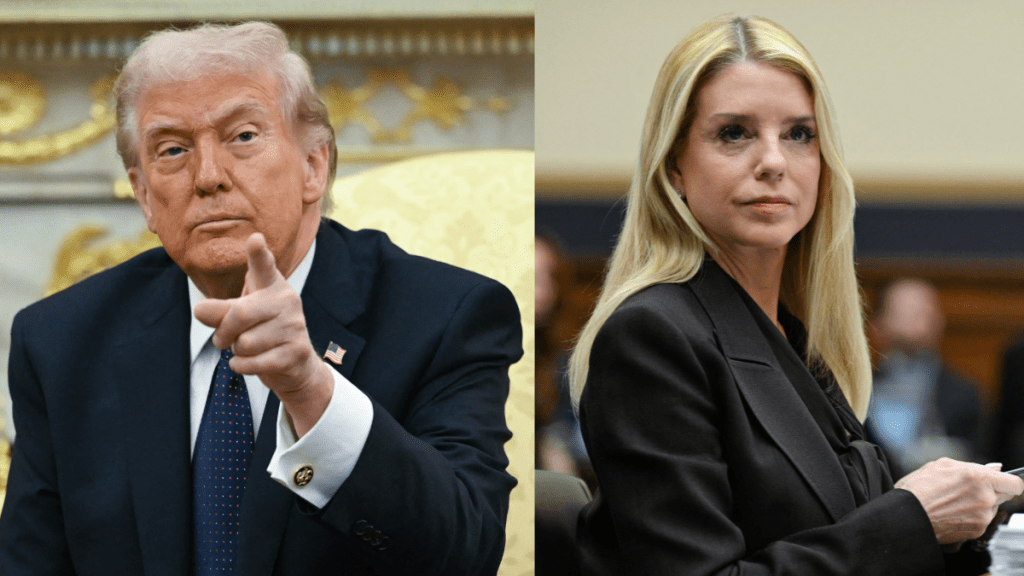
President Donald Trump and his attorney general, Pam Bondi, have been sued by retail investors in two social media rivals of TikTok. The suit aims to reverse President Donald Trump’s approval of a deal by the company’s owner, ByteDance, to form a primarily American-owned joint venture.
The lawsuit claims that Trump’s approval for the deal last year was a violation of a 2024 divestiture law. The lawsuit was reportedly backed by the Public Integrity Project.
TikTok’s survival in the United States has been largely dependent on a joint venture. The venture has been criticized by lawmakers before. This lawsuit seeks to enforce a renegotiation of the deal “that doesn’t put [Trump] administration allies in a position to censor political content on one of the world’s most popular media platforms.” (via My News).
However, this lawsuit does not ask for a ban on TikTok. A law passed in 2024 required ByteDance to sell its US assets by January 2025 or face a ban. Trump has not opted to enforce the law yet.
Previously, Democratic former US president Joe Biden cited national security concerns while signing the aforementioned law. Biden cited concerns about China collecting an immense amount of user data from the application. Moreover, the application is used by nearly 200 million Americans.
ByteDance, meanwhile, said that TikTok USDS Joint Venture LLC was owned by 80 percent non-Chinese investors. It would ensure data protection and transparency.
“Under the announced deal, ByteDance would still control all the essential elements of TikTok. Such a deal would subvert the very purpose of the TikTok Law, as ByteDance could continue to push Chinese propaganda and censor the content it does not like,” the lawsuit added.