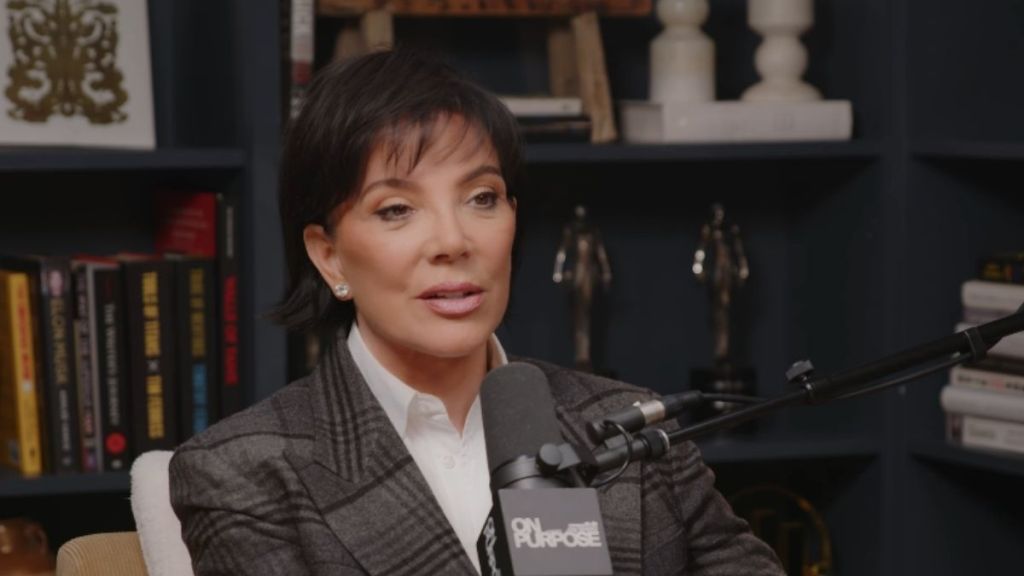
In a deeply personal conversation with Jay Shetty in his “On Purpose Podcast”, Kris Jenner opened up about the emotional wave and how she navigated “grief” that she had experienced following two miscarriages while expanding her family. The reality-star turned business matriarch discussed how each loss left its mark. She said that people sympathize by saying, “we’re so sorry”, but to bear the burden for “months and months” is a terrible thing.
Kris Jenner opens up about navigating her miscarriages on Jay Shetty’s podcast

Kris Jenner opened up about navigating the emotional weight of her miscarriages during the Nov. 17 episode of “On Purpose with Jay Shetty“. The 70-year-old shared that she suffered one miscarriage before welcoming Rob Kardashian and another before the birth of Kendall Jenner.
Drawing from moments she described as “silent almost,” Kris explained how the grief of pregnancy loss lingered long after the initial shock. “I carried that for months, months and months,” she said, noting that while she no longer dwells on the pain, the memory remains part of her story.
Kris recounted how the experience shaped her approach to motherhood, gratitude, and supporting loved ones. She said her later pregnancies with Kendall and Kylie came at a time when many of her friends in their 40s were struggling with infertility. “Here I was on my fifth and sixth,” she reflected, adding that witnessing others’ hardships made her “so grateful” for her own journey.
Becoming pregnant in her 40s, she recalled, was seen as unconventional. “It was almost whispered about… like, ‘She’s 40? And she’s going to have a baby?” she said. Yet for Kris, both pregnancies were “intentional decisions” rooted in appreciation for family and renewed awareness of health after developing gestational diabetes and gaining significant weight. The challenges taught her “a lot about patience” and making healthier choices, she added.
Furthermore, Kris also emphasized how her friends’ miscarriages deepened her empathy. She said that she often accompanied them to appointments and supported them through early IVF treatments that were “still very new” at the time.
Originally reported by Bikki Sharma on RealityTea.